Ancient Olympia, 5th century BCE
A sacred open-air athletics venue reconstructed with packed earth, dust, grassy spectator banks and a crowd that moves with the sound of the games.
A single archive for the venue films and dossiers: old football grounds, cinder tracks, grass pitches, crowd bowls and surface details that make each scene readable.
Each page separates the grounded venue context from interpretive visual details. The videos are labelled reconstructions, not original archive footage.
A sacred open-air athletics venue reconstructed with packed earth, dust, grassy spectator banks and a crowd that moves with the sound of the games.
A bright summer final atmosphere with a broad grass surface, deep terraces and the visual simplicity of a national football stage.
A tight old-ground reconstruction: low roofs, cold floodlights, worn grass, close crowd noise and clear matchday pitch geometry.
A large multi-use stadium with a red-brown cinder track, pale lane marks and a wide bowl built for spectacle rather than intimacy.
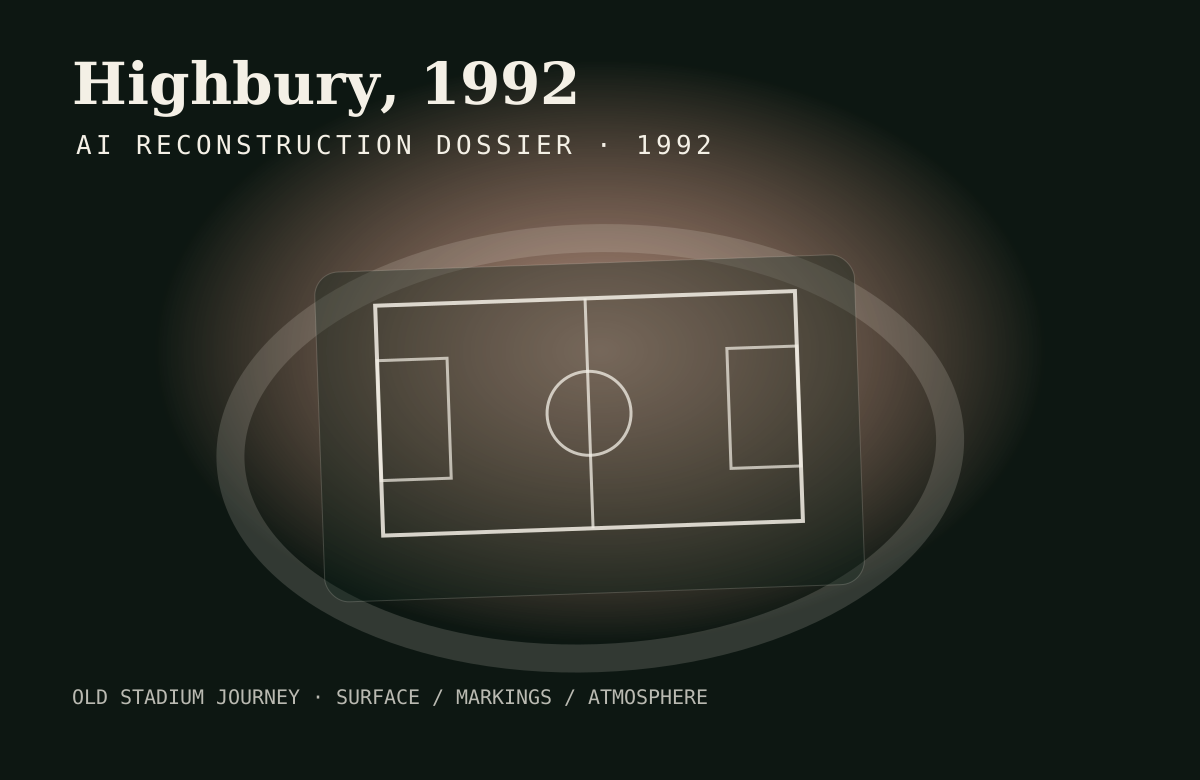
A compact, enclosed football surface with stands close to the lines, defined penalty boxes and the feel of football before all-seat modernisation settled in.
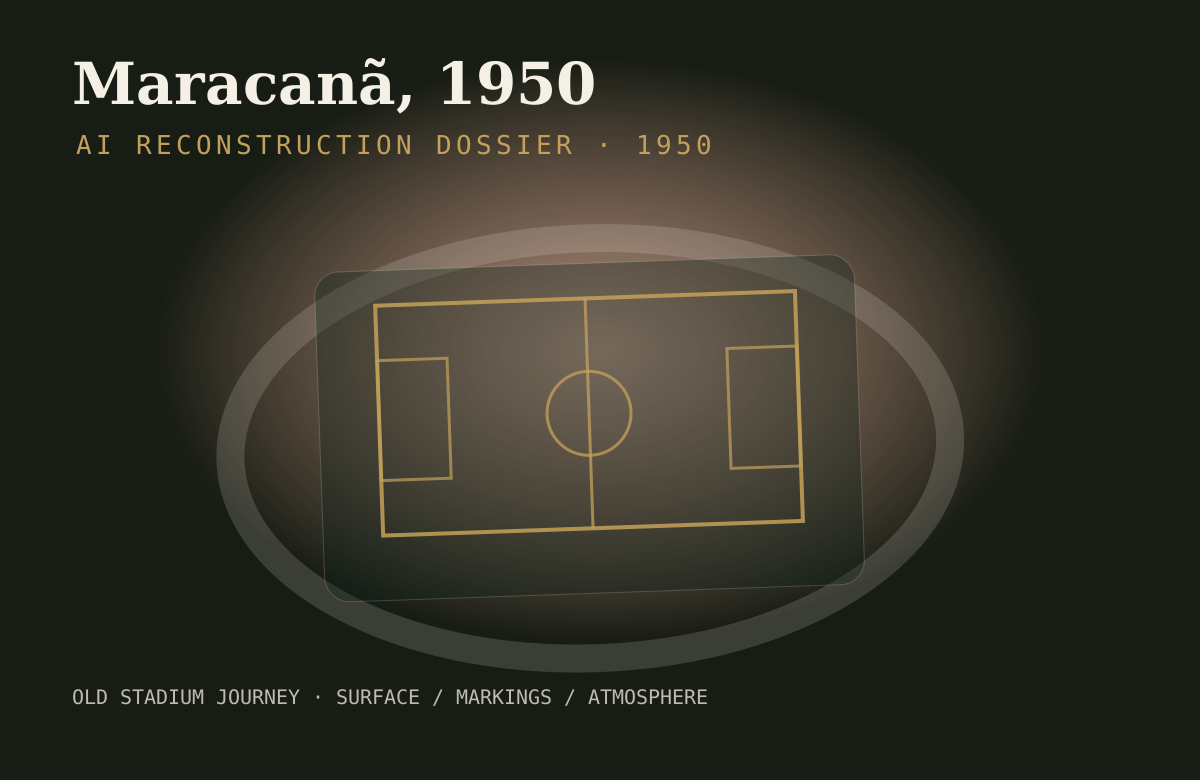
A vast stadium memory: sweeping bowl, green field, bright markings and crowd scale as the defining visual feature.
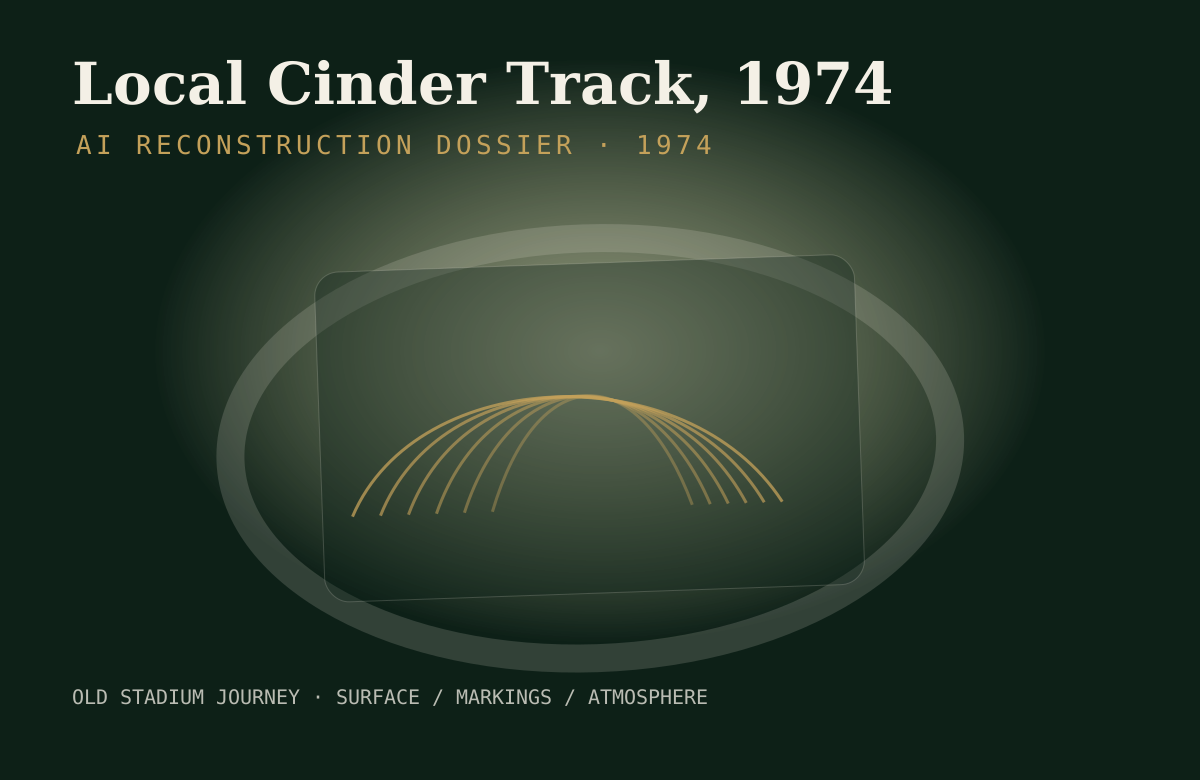
A practical local athletics setting: damp cinder, chalked lanes, grass infield and simple spectator rails around the edge.
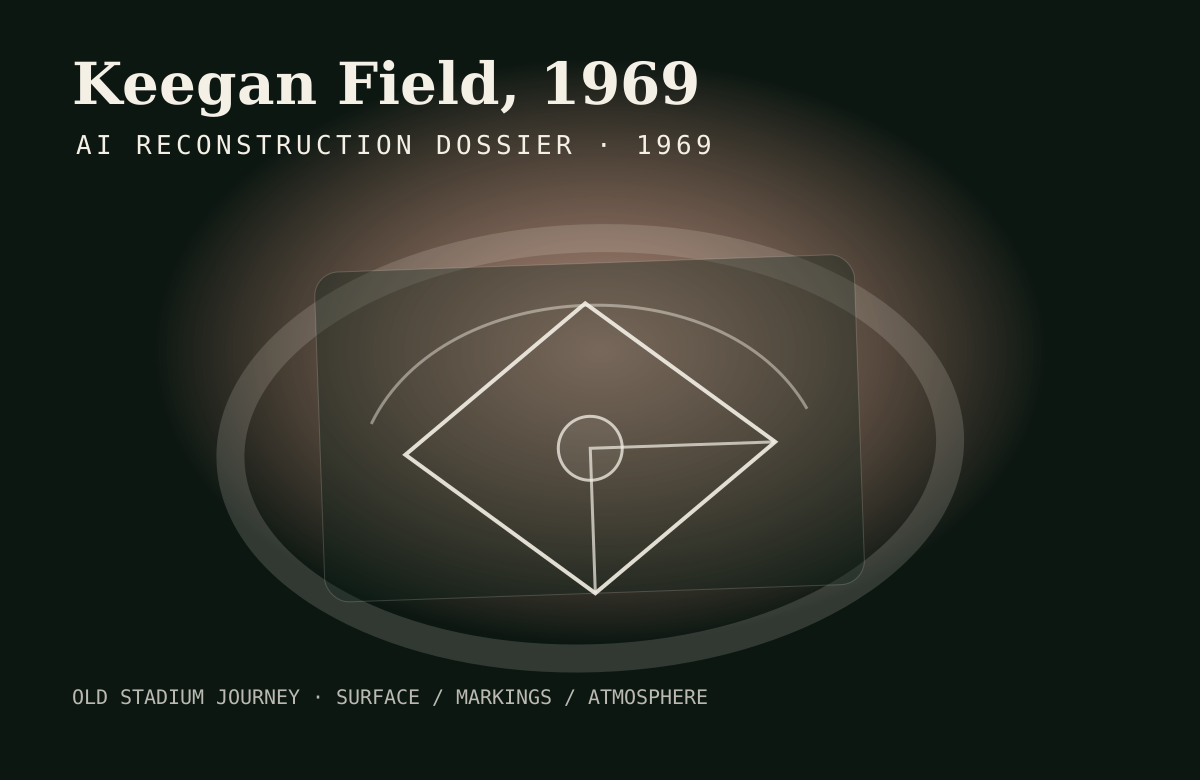
A small Arizona baseball field reconstructed for the one-year 1969 spring-training moment before the Padres moved to a permanent Yuma stadium.

A reconstruction dossier for Seymour’s WPA-built gym: a large civic high-school basketball room, hardwood court, steep crowd bowl and endangered-place memory.
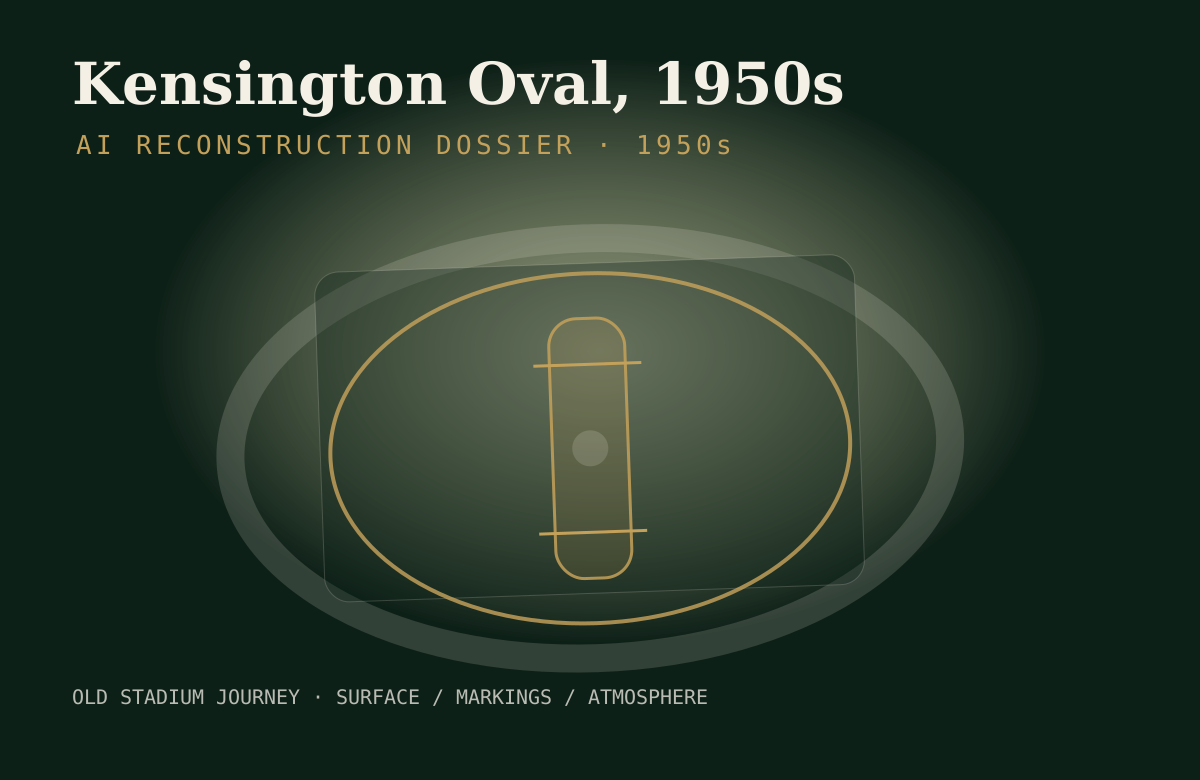
A cricket-ground dossier for Kensington Oval before the modern redevelopment era: square, outfield, boundary edge and Caribbean crowd setting.
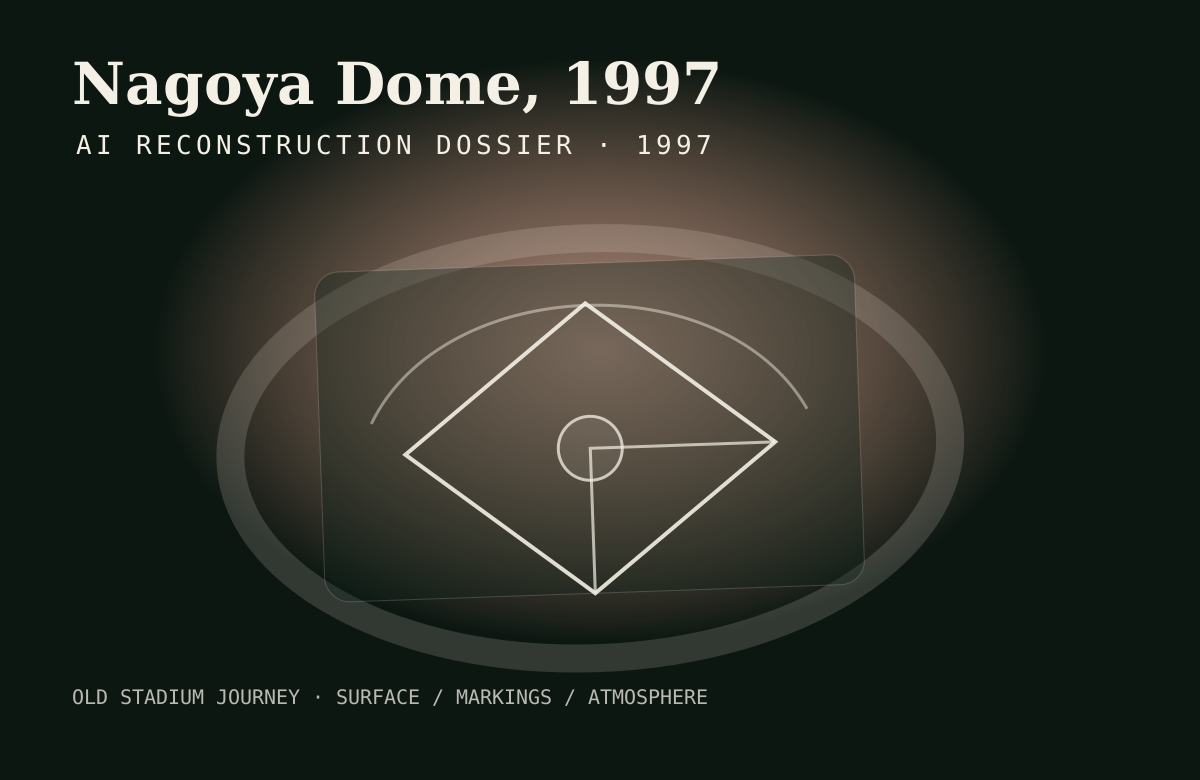
A reconstruction dossier for Nagoya Dome at opening: artificial turf, enclosed roof geometry, baseball field lines and late-1990s multipurpose stadium polish.
The fastest way to date a sports venue is often the ground itself: grass wear, painted pitch geometry, cinder lane markings, packed earth, infield scale and the distance between spectators and the playing area.
Use the venue pages with the old stadium surfaces guide and terms glossary for a clearer view of the reconstruction choices.