Old stadium surfaces
Grass, cinder, packed earth and worn areas: the materials that made historic venues look different.
Stadium history is not only stands and scoreboards. The ground underfoot — grass, cinder, packed earth, chalk, paint, mud and lane marks — changes how a venue looks and how a reconstruction should be read.
These guides explain the practical details behind the venue films: why older lines look softer, why cinder tracks feel different from synthetic lanes, and why worn grass matters.
Grass, cinder, packed earth and worn areas: the materials that made historic venues look different.
Why touchlines, penalty areas and centre circles became sharper and more consistent over time.
How old ash and cinder tracks used pale lane marks, starts and finish lines before synthetic surfaces.
A practical history of sports-ground line marking materials and why surfaces changed.
A clean modern pitch can make an old venue feel too new. A damp cinder lane, a muddy goalmouth, a chalky finish line or a simple packed-earth running strip can date a scene faster than a grandstand detail.
That is why Old Stadium Journey treats the surface as evidence. The material, markings and wear help separate a believable reconstruction from a generic stadium image.
A sacred open-air athletics venue reconstructed with packed earth, dust, grassy spectator banks and a crowd that moves with the sound of the games.
A bright summer final atmosphere with a broad grass surface, deep terraces and the visual simplicity of a national football stage.
A tight old-ground reconstruction: low roofs, cold floodlights, worn grass, close crowd noise and clear matchday pitch geometry.
A large multi-use stadium with a red-brown cinder track, pale lane marks and a wide bowl built for spectacle rather than intimacy.
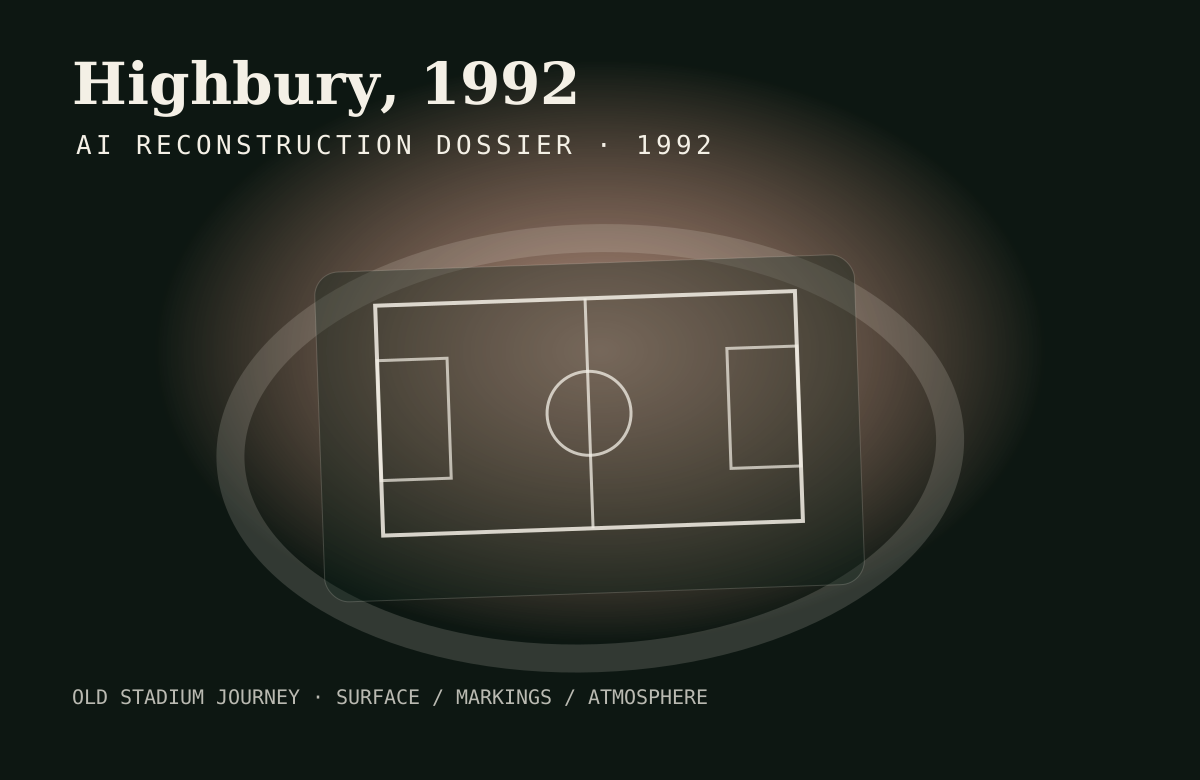
A compact, enclosed football surface with stands close to the lines, defined penalty boxes and the feel of football before all-seat modernisation settled in.
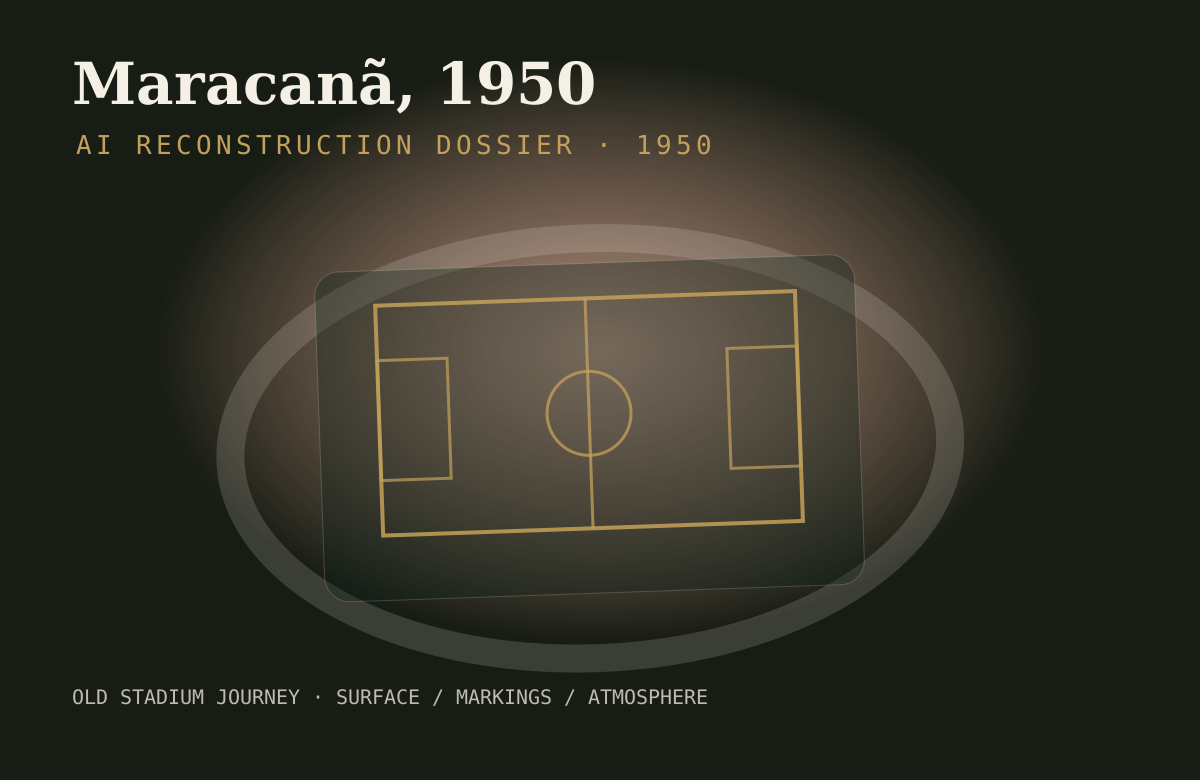
A vast stadium memory: sweeping bowl, green field, bright markings and crowd scale as the defining visual feature.
A practical local athletics setting: damp cinder, chalked lanes, grass infield and simple spectator rails around the edge.
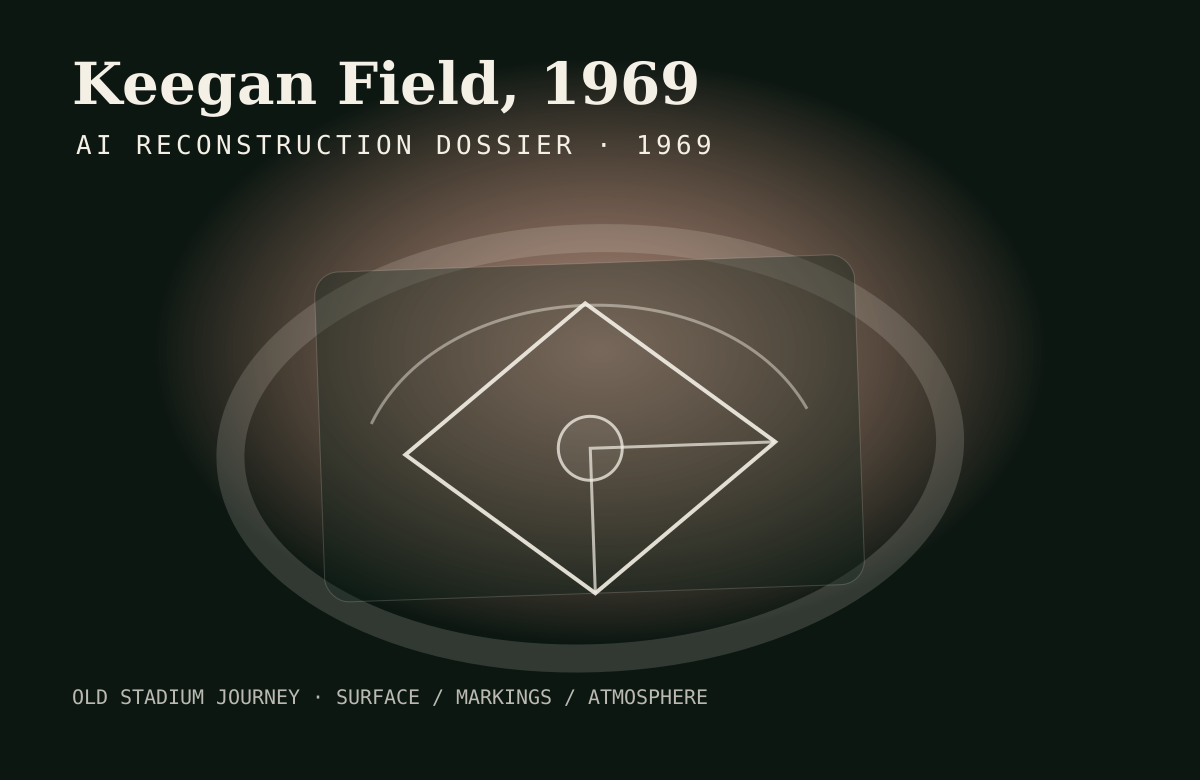
A small Arizona baseball field reconstructed for the one-year 1969 spring-training moment before the Padres moved to a permanent Yuma stadium.

A reconstruction dossier for Seymour’s WPA-built gym: a large civic high-school basketball room, hardwood court, steep crowd bowl and endangered-place memory.
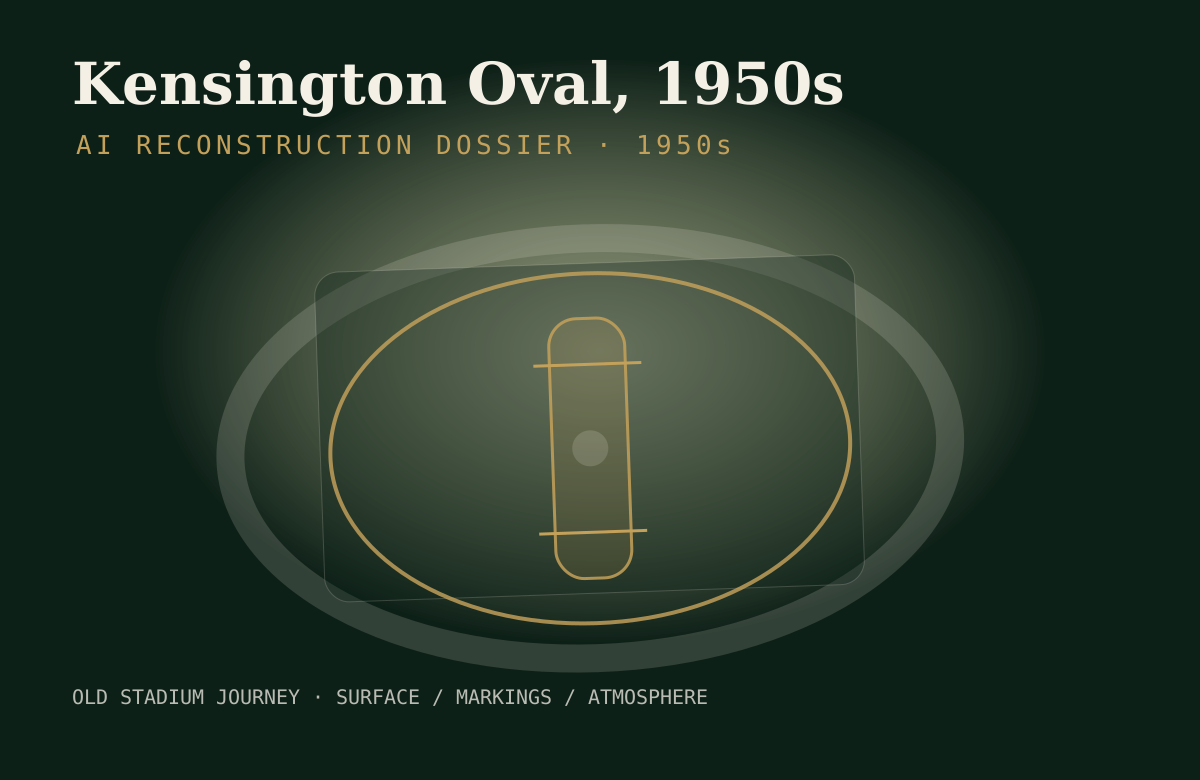
A cricket-ground dossier for Kensington Oval before the modern redevelopment era: square, outfield, boundary edge and Caribbean crowd setting.
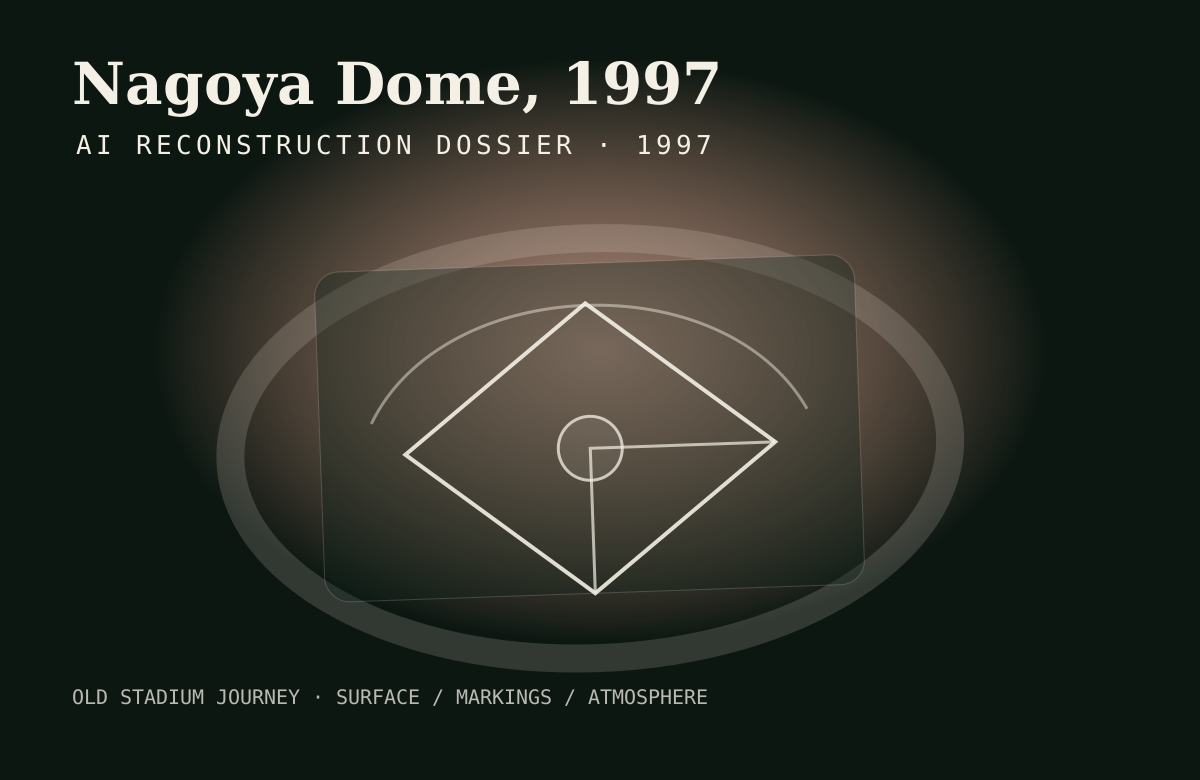
A reconstruction dossier for Nagoya Dome at opening: artificial turf, enclosed roof geometry, baseball field lines and late-1990s multipurpose stadium polish.